
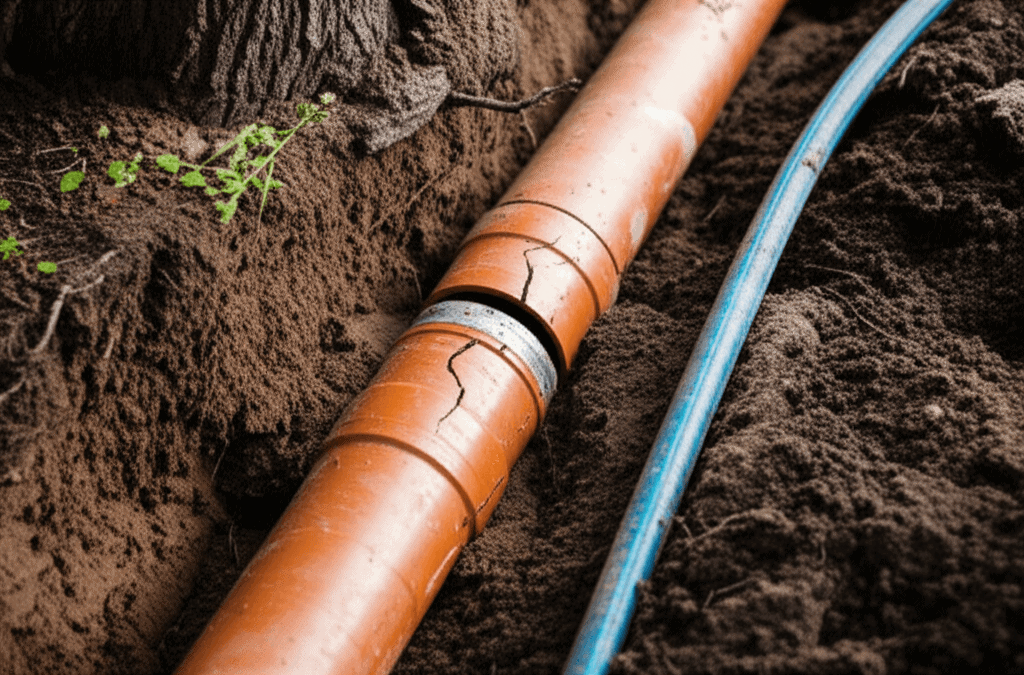
Knowing when to replace a sewer line keeps homeowners from dealing with nonstop repairs and unexpected disasters. Small early signs may seem minor but can quickly turn into major headaches if left alone. Look for common warning signals that a sewer line needs to be replaced, along with easy ways to understand your options and estimate costs. This information helps homeowners who want to steer clear of expensive damage and stress. Keep reading to discover tips that make spotting problems simpler and stop wasting money on repairs that won’t last.
The goal is to help you recognize real warning signs and consider practical solutions. I will include examples from typical residential situations and tips on working with a local contractor so you can make confident decisions about replacing a sewer line.
When to Replace a Sewer Line Signs to Watch For
Not every drain issue means a full sewer line replacement. Look for patterns rather than occasional clogs. Repeated backups across multiple drains are a key signal. Another red flag is sewage odor coming from drains or across the property. If you notice persistent smell around a basement floor drain or in a yard, that often points to a break or leak in the main line.
Other signs include soggy patches in the yard that do not dry out and plumbing noises such as gurgling when fixtures are used. These symptoms combined with age and material of the pipe increase the likelihood that replacement will be needed.
Common Causes That Lead to Replacement
Understanding why a line fails helps predict how soon replacement will be needed. Tree root intrusion is one of the most common causes in older neighborhoods. Roots seek moisture and can enter small cracks, expanding them over time. Corroded pipes made from cast iron or galvanized steel will rust and collapse. Clay and cast iron lines installed decades ago are especially vulnerable.
Ground movement and heavy loads from construction or vehicles can crush or misalign pipes. Frequent repairs in the same area are a strong sign the line has reached the end of its useful life rather than a single localized problem.
How Professionals Assess Whether Replacement Is Needed
A professional plumber or drain specialist will not recommend replacement without evidence. The standard process starts with a camera inspection to see the condition of the pipe interior and locate damage. Camera results reveal cracks, root intrusion, collapsed sections, offsets, and infiltration points where soil enters the pipe.
Video Inspection Details
Video inspection saves time and money because it pinpoints the problem without digging first. The operator feeds a camera through a cleanout and records the condition. Look for continuous breaks, large offsets, or severe corrosion. Small hairline cracks or a few roots can sometimes be repaired. Major structural issues often require full replacement.
Age and Material Considerations
Age matters. Clay and cast iron lines older than 50 years commonly fail. PVC and modern materials have longer life spans but are not immune to damage from ground movement or improper installation. If the camera shows a pattern of failures or multiple damaged spots, replacement is usually the prudent option.
Replacement Options and Methods
There are two main approaches to replacing a sewer line. The choice depends on cost, property layout, and the extent of damage.
Traditional Open Trench Replacement
This method involves excavating a trench along the length of the pipe and removing the old section. It is often preferred when the line runs near obstacles or when multiple access points are needed. It allows replacement of damaged lateral branches and any connections. The downside is the disruption to landscaping, driveways, and hardscapes.
Trenchless Replacement Methods
Trenchless options reduce surface disturbance. Pipe bursting is one technique where a new pipe is pulled through while the old pipe is fractured outward. Another method is cured in place pipe lining which inserts a resin saturated liner that hardens to form a new pipe within the old one. Trenchless methods can be less invasive and faster but may not be suitable if the pipe is severely collapsed or misaligned.
Cost Factors and Budgeting for Replacement
Replacement costs vary based on several factors. Key items that influence price include pipe material chosen for the new line, the length of the run, depth, access, soil conditions, and local labor rates. Hard surfaces such as concrete or stone driveways increase cost because removal and replacement add to the scope of work.
As a rule of thumb, a simple trenchless replacement for a standard residential run is often less expensive than a complex open trench project that requires heavy landscaping restoration. Obtain multiple written estimates and ask for line item breakdowns so you can compare materials labor and restoration separately.
- Ask for a clear warranty on the work and pipe materials
- Request video evidence of the condition before and after work
- Confirm who will handle permits and inspections
Practical Tips to Decide Between Repair and Replacement
Deciding between ongoing repairs and full replacement comes down to frequency of issues and long term cost. If you call for a patch repair every few months the cumulative cost and disruption often exceed the price of replacement. Keep a log of service calls with dates and repair details to share with contractors. That record helps in getting an honest assessment of whether replacement is the correct path.
Also consider the size and future plans for your property. If you plan to sell in the near term replacing a failing line can increase appeal to buyers and prevent a failed inspection. A seller who addresses major sewer issues ahead of time can avoid negotiation headaches later.
How to Choose a Local Service Provider
Selecting the right service provider reduces surprises. Look for companies that offer camera inspection and are willing to show recorded footage. Confirm they carry insurance and have local references. Read recent reviews and ask neighbors about their experience with similar jobs.
For homeowners in the Southlake area a reputable local team simplifies permits and follow up work. One option to consider is Berkeys in Southlake which lists sewer line replacement services and can provide an on site assessment. Choose a contractor who explains trade offs between replacement methods and gives a written plan for restoration of landscaping or hardscaping.
After Replacement Care and Preventive Steps
After replacement there are steps to protect the investment. Avoid planting trees near the replacement line and use root resistant species if landscaping must be near the run. Schedule periodic camera inspections every few years if your line is older or if the area has shifting soils. Regularly maintain plumbing to prevent grease and foreign objects from entering the drain system.
Educate household members about what should not be flushed or poured down drains. Items such as wipes grease feminine hygiene products and certain chemicals can cause blockages that stress the line. Simple habits reduce risk of future failures and prolong the new pipe life.
Common Questions Homeowners Ask
People often ask how long a replacement will last. With modern pipe materials and proper installation a replacement can last several decades. The exact service life depends on material choice and external conditions. Another frequent question is whether insurance covers sewer line replacement. Coverage varies widely. Some policies include optional endorsements for sewer backups or damaged underground utilities. Check policy details and consider supplemental coverage if you live in an older neighborhood.
Homeowners also ask about time frame. A full replacement project can take a few days to a couple of weeks depending on complexity. Trenchless work often finishes faster and reduces time that parts of the property are unusable.
Make sure the contractor provides a schedule and communicates potential impacts such as temporary loss of water or access to parts of the yard.
Regular monitoring and timely action can prevent a small issue from turning into a major emergency. When repairs start repeating consider replacement as a long term solution. Proper documentation and choosing a contractor who shows the condition on camera will help you make an informed decision and protect the value of your home.
In summary a sewer line replacement is warranted when recurring backups persistent odors visible damage on camera or structural collapse are present. Evaluate options by obtaining a clear inspection and multiple estimates then compare methods warranties and restoration plans. If you are unsure about the next step schedule a camera inspection to clarify the condition and build a plan that fits your property needs. Taking action early reduces the chance of property damage and higher costs later. Contact a local specialist to get an assessment and a written plan for repair replacement and restoration.