
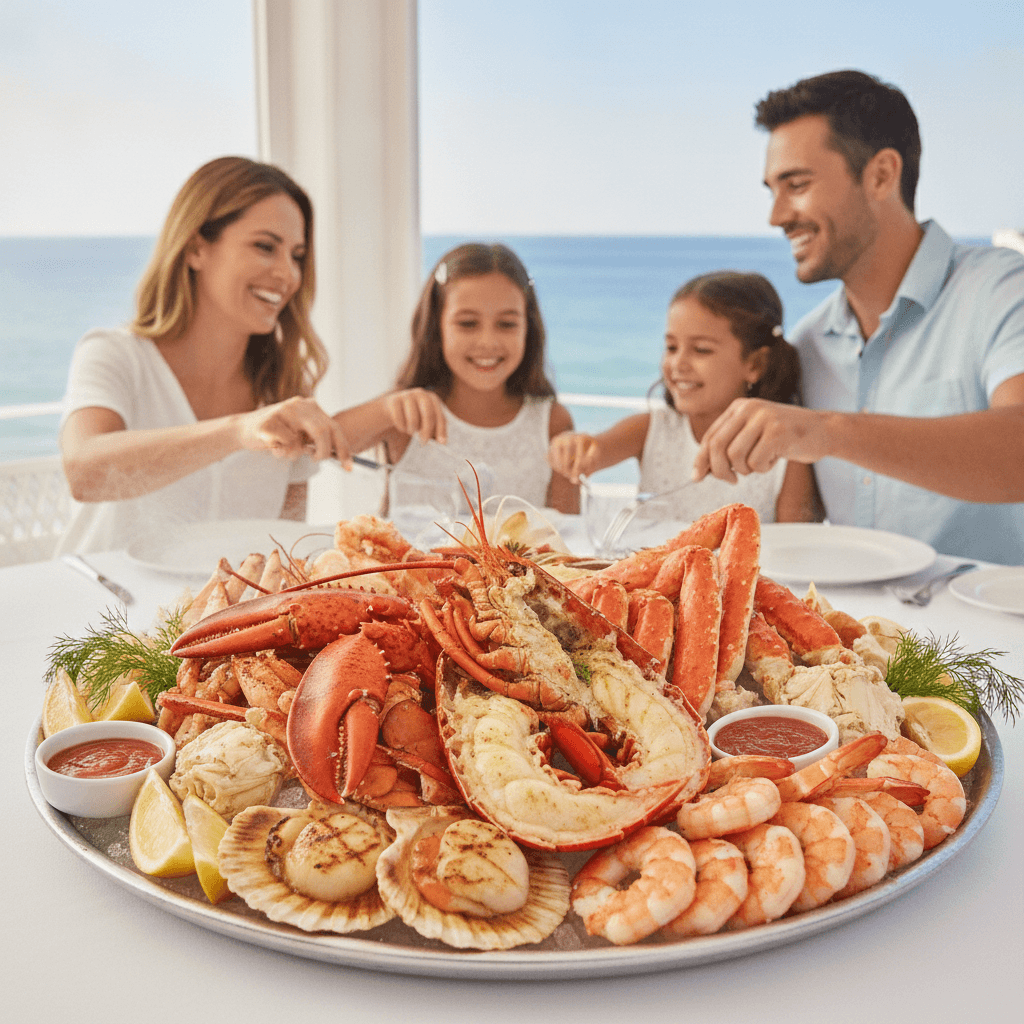
I find immense pleasure in a perfectly cooked piece of fish or a succulent plate of shrimp. Seafood offers a unique flavor profile and nutritional benefits many other foods cannot match. But I also understand why some people hesitate to indulge. Stories of food poisoning or concerns about freshness can cast a shadow on what should be a delightful culinary experience.
My goal here is to show you how easy it is to savor seafood delights without any safety concerns. With a little knowledge and some practical steps, you can confidently select, prepare, and enjoy all your favorite dishes. I believe that everyone deserves to experience the best of what the ocean offers without worrying about health risks.
I have learned over the years that safety truly starts before the food even reaches your kitchen. Making smart choices at the fish market is the first and most critical step. From there, proper handling and cooking methods seal the deal, ensuring every bite is both delicious and completely safe for your family and friends. Let us explore how you can become a confident seafood connoisseur.
Understanding Freshness and Quality Indicators
When I pick out seafood, I always start by trusting my senses. Freshness is the most important factor in ensuring both flavor and safety. Knowing what to look for at the fish counter makes a big difference in avoiding poor quality products.
I check for clear signs of vitality and health, especially with whole fish. The fish should look like it just came out of the water. I often ask the fishmonger questions about when the seafood arrived and where it was sourced. A good fishmonger will always be transparent and helpful, sharing insights that build trust in their products.
Selecting Fresh Fish at the Market
I always start with the eyes. They should be bright, clear, and bulging slightly, not sunken or cloudy. Dull eyes are a definite red flag. Then I lift the gill plate; the gills underneath should be a vibrant red or pink, free of slime or brown discoloration. Pale or sticky gills mean the fish is old.
I also press lightly on the fish’s flesh. It should spring back immediately, indicating firm muscle structure. If an indentation remains, the fish is likely past its prime. The skin should appear shiny and metallic, with scales still firmly attached. I also trust my nose; fresh fish smells clean, like the ocean, not fishy or ammonia-like.
Shellfish Selection Essentials
For shellfish like mussels, clams, and oysters, I make sure they are alive before purchase. Live shellfish should have tightly closed shells. If a shell is slightly open, I tap it gently; it should close promptly. If it does not, I discard it immediately because it might be dead and unsafe to eat.
I also inspect crabs and lobsters for signs of life. They should be active and responsive. Any cracked or broken shells can indicate compromised quality or dead shellfish, which I always avoid. These details might seem small but they protect your health and enhance your dining experience.
Proper Handling and Storage at Home
Bringing fresh seafood home is only half the battle. Proper handling and storage prevent harmful bacteria from growing. I treat seafood with the same care as raw poultry or meat. The refrigerator is not enough for long-term storage, so I plan to use or freeze my seafood quickly.
My kitchen setup helps keep things organized and safe. I have dedicated spaces and tools for raw items. This simple practice prevents many potential issues before they can even start. It also makes cooking more efficient because everything has its place.
Immediate Refrigeration and Freezing
I put seafood on ice or in the coldest part of my refrigerator as soon as I get home. If I plan to cook it within a day or two, I place it in an airtight container or wrap it tightly in plastic. This prevents drips and keeps odors contained. For longer storage, freezing is the best option.
When freezing, I make sure to package seafood tightly to prevent freezer burn, which can affect taste and texture. I use freezer bags or vacuum-seal bags and label them with the date. Freezing helps maintain quality for several months, allowing me to enjoy seafood off-season.
Preventing Cross-Contamination
I always use a separate cutting board and utensils for raw seafood. This prevents bacteria from transferring to other foods that might not be cooked. After handling raw seafood, I wash my hands thoroughly with soap and warm water for at least twenty seconds. Cleaning surfaces is also key.
My countertops, cutting boards, and any dishes that touched raw seafood get a good scrub with hot soapy water. Sometimes I use a sanitizing spray for extra peace of mind. These steps are simple but they are incredibly effective in maintaining a clean and safe cooking environment for everyone.
Safe Thawing Methods for Frozen Seafood
Thawing frozen seafood correctly is just as important as how you store it. Incorrect thawing can lead to bacterial growth or ruin the texture of delicate fish. I always plan ahead because slow thawing methods are generally the safest and produce the best results.
I never leave frozen seafood on the counter at room temperature. This creates a prime environment for bacteria to multiply rapidly, especially on the surface where it thaws first. Patience in thawing leads to a better culinary outcome and keeps your food safe. These methods ensure even thawing and minimal risk.
Refrigerator Thawing for Quality
The best way to thaw seafood is slowly in the refrigerator. I transfer the frozen seafood from the freezer to a plate in the fridge the night before I plan to cook it. This allows it to thaw gradually and evenly, which preserves its flavor and texture. A gradual thaw also minimizes moisture loss, keeping the seafood tender.
Small pieces of fish or shrimp can thaw in about six to eight hours. Larger cuts might need a full twenty-four hours. This method is the safest because the seafood stays at a consistently cold temperature throughout the entire thawing process. It takes planning but it is worth the effort.
Cold Water Thawing When Time is Short
If I am short on time, I use the cold water method. I place the frozen seafood in a sealed plastic bag and submerge it in a bowl of cold water. I change the water every thirty minutes to keep it cold and ensure it thaws properly. This speeds up the process considerably.
Small packages can thaw in about an hour. Larger ones might take up to two or three hours. It is important to cook the seafood immediately after thawing with this method. I never refreeze seafood that has been thawed in cold water because it can affect safety and quality.
Cooking Seafood to the Right Temperatures
Cooking seafood to the correct internal temperature is crucial for destroying harmful bacteria. It also ensures the best taste and texture. I rely on a food thermometer for accuracy, but I also look for visual cues to confirm doneness. Seafood cooks quickly, so careful monitoring is essential to avoid overcooking.
Overcooked seafood can become dry and rubbery, losing its delicate appeal. My goal is always to cook it just enough so it is safe and flavorful. I have found that a little practice helps you recognize these signs perfectly, making every meal a success. Knowing the right temperatures makes all the difference.
Internal Temperatures for Fish and Shellfish
For most types of fish, the recommended internal temperature is 145 degrees Fahrenheit. I insert the food thermometer into the thickest part of the fish, making sure it does not touch bone. The fish should flake easily with a fork, and its flesh should appear opaque throughout.
Shrimp, scallops, and lobster change color dramatically when cooked. Shrimp and lobster turn a beautiful pink, and scallops become opaque. Mussels, clams, and oysters are done when their shells open during cooking. Any shellfish that do not open should be discarded because they were likely dead before cooking and could be unsafe. You can find more seafood safety tips to ensure every meal is a triumph.
Avoiding Undercooking and Overcooking
Undercooking is a safety risk, but overcooking wastes good ingredients. I always try to remove seafood from the heat as soon as it reaches the proper temperature or shows clear signs of doneness. Sometimes, carryover cooking means it continues to cook for a minute or two after being removed from the heat source.
For larger cuts of fish, I might pull them off the heat a degree or two before the target temperature, letting the residual heat finish the job. This technique ensures maximum juiciness and flavor. Practice really makes perfect in this area, so do not be afraid to experiment a little with your cooking times.
Recognizing and Avoiding Common Seafood Toxins
While proper handling and cooking prevent bacterial illnesses, some seafood can contain natural toxins. These toxins are not destroyed by cooking. Being aware of them helps me make informed choices and avoid potential health issues. I always buy seafood from reputable sources to minimize this risk.
Certain types of fish and shellfish are more prone to carrying these toxins depending on their diet and environment. I make it a point to stay informed about any local advisories regarding seafood consumption. This knowledge adds another layer of security to my seafood enjoyment.
One common toxin is histamine, found in scombroid fish like tuna, mackerel, and mahi-mahi when not properly refrigerated. Symptoms include flushing, headache, and hives, resembling an allergic reaction. Shellfish can sometimes contain toxins from harmful algal blooms, leading to paralytic shellfish poisoning or other neurological issues. Always check local health advisories if harvesting your own shellfish. Ciguatera fish poisoning comes from certain reef fish that consume toxic algae. Symptoms can be severe and long-lasting.
Empowering Your Seafood Choices
Knowing about freshness, proper handling, and safe cooking gives you a solid foundation for enjoying seafood. But there is another layer I consider: sustainable sourcing. I believe we have a responsibility to protect our oceans and ensure future generations can also savor these delights. Making informed decisions helps promote healthier marine ecosystems.
I actively seek out seafood that is responsibly caught or farmed. Many organizations provide guides that help consumers choose sustainable options. This practice aligns with my commitment to both personal health and environmental well-being. It feels good to know my choices support ethical fishing practices.
I also always feel comfortable asking questions at the fish counter. Inquiring about the origin of the seafood or how it was caught shows your interest in responsible sourcing. This engagement encourages suppliers to offer more sustainable options and ensures transparency in the market. I believe that an informed consumer creates a better market for everyone.
Savoring Seafood with Confidence and Care
Enjoying seafood is one of life’s true pleasures, and it should always be a worry-free experience. From choosing the freshest catches at the market to mastering safe thawing and cooking techniques, every step contributes to a delicious and secure meal. I have found that a little attention to detail makes a world of difference. It transforms a simple ingredient into an extraordinary dining experience.
We empower ourselves to make better choices when we understand the signs of quality and the principles of food safety. This knowledge allows us to fully appreciate the rich flavors and health benefits that seafood offers. I encourage you to take these insights into your own kitchen and apply them with confidence. Explore new recipes, experiment with different types of fish, and create memorable meals for yourself and your loved ones. There is a whole ocean of flavor waiting to be discovered safely and joyfully.